
Knee Pain
Why Knee Pain Happens in Sports | Causes, Risk Factors & Prevention Guide
Why Knee Pain Happens in Sports
Introduction
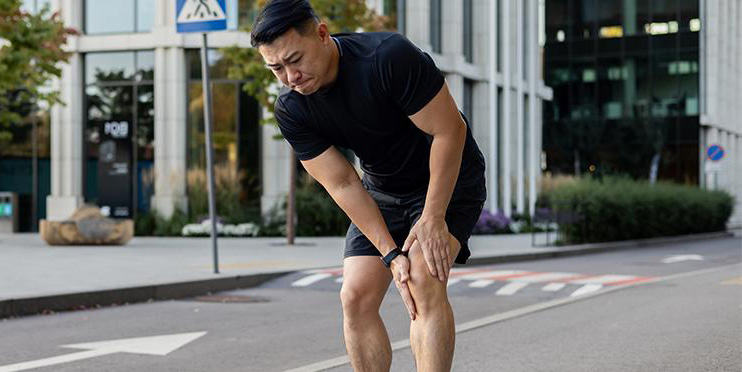
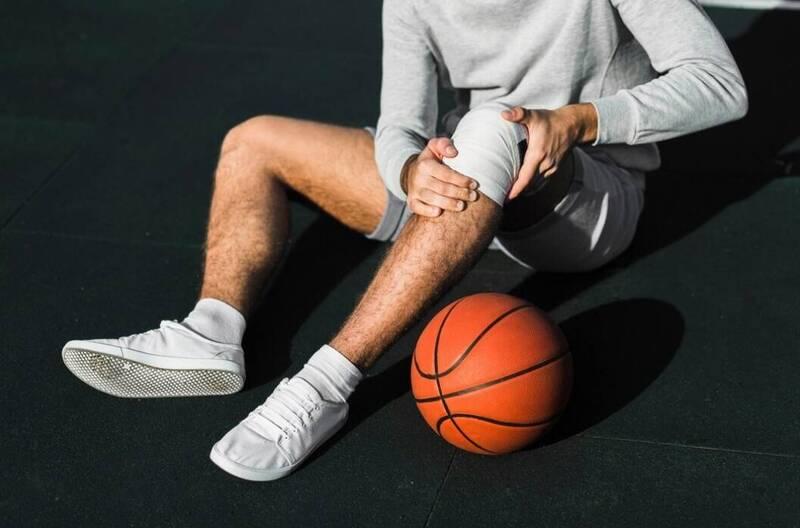
Knee pain is one of the most common issues among athletes and active individuals across all sports. Whether it is running, basketball, soccer, gym training, or professional competition, the knee joint is constantly exposed to repetitive stress, impact force, and complex movement patterns.
Understanding why knee pain happens in sports is essential not only for injury prevention but also for improving performance and long-term joint health. In many cases, knee pain develops gradually rather than from a single injury, making early awareness and proper support strategies critical.
In this article, we will explore the main causes of knee pain in sports, the biomechanical and environmental factors involved, and how modern support solutions such as kinesiology tape can help reduce strain and improve recovery.
1. High Impact and Repetitive Stress on the Knee Joint
One of the primary reasons knee pain occurs in sports is repetitive stress.
Sports such as running, basketball, and soccer involve continuous:
- Jumping
- Landing
- Direction changes
- Acceleration and deceleration
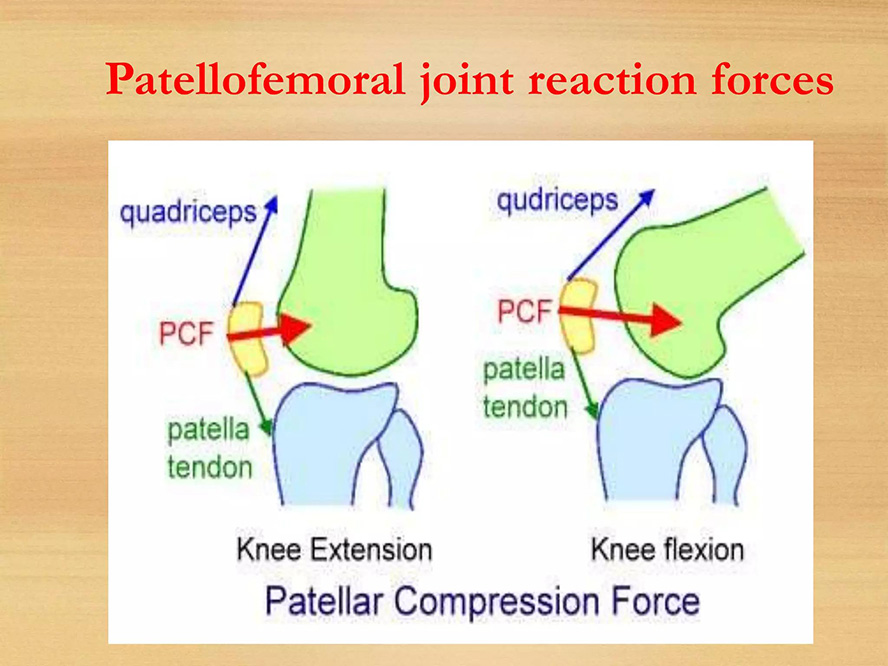
Each movement places pressure on the knee joint, particularly on the patella (kneecap), ligaments, and surrounding tendons.
Over time, repetitive loading can lead to:
- Patellofemoral pain syndrome
- Tendon inflammation (patellar tendinitis)
- Cartilage wear and irritation
Even when no acute injury occurs, micro-stress accumulation can gradually result in chronic knee pain.
2. Muscle Imbalance and Weak Support Structures
Another major factor behind sports-related knee pain is muscle imbalance.
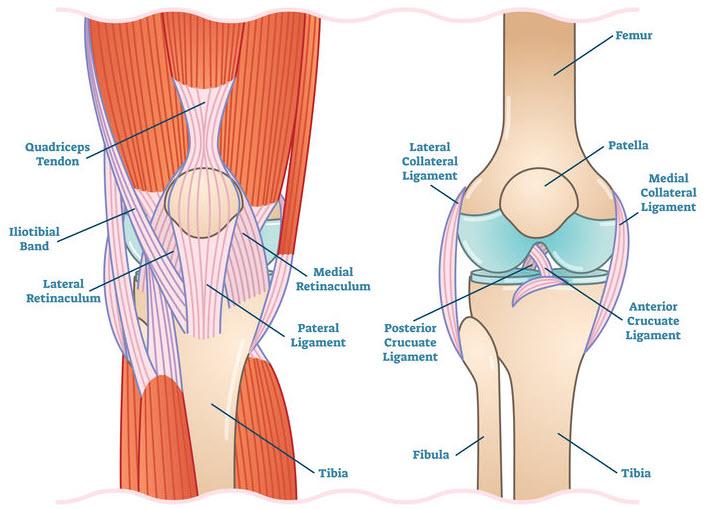
The knee joint relies heavily on surrounding muscles for stability, including:
- Quadriceps
- Hamstrings
- Calves
- Gluteal muscles
When these muscles are not balanced or properly conditioned, the knee absorbs more stress than it should.
Common issues include:
- Weak glute muscles leading to poor knee alignment
- Tight quadriceps pulling the patella out of position
- Weak hamstrings reducing joint stability
This imbalance often results in improper tracking of the kneecap and increased friction within the joint.
3. Poor Movement Mechanics and Technique
Incorrect movement patterns are another key cause of knee pain in sports.
Athletes with poor biomechanics may experience:
- Knee collapsing inward during running or jumping
- Overstriding in running
- Improper landing technique
- Excessive rotation under load
These movement errors increase stress on ligaments such as the ACL and MCL, significantly raising the risk of injury.
In many cases, athletes are unaware of these issues until pain begins to develop.
4. Overtraining and Insufficient Recovery
Modern sports training often emphasizes intensity and frequency, but insufficient recovery is a major contributor to knee pain.
When training load exceeds the body’s recovery capacity, tissues do not have enough time to repair.
This leads to:
- Chronic inflammation
- Reduced joint lubrication
- Increased stiffness
- Higher injury risk
Athletes who train daily without proper rest or recovery protocols are especially vulnerable.
5. Sudden Increase in Training Intensity
A sudden change in training load is one of the most common triggers of knee pain.
Examples include:
- Increasing running distance too quickly
- Returning to sports after a break
- Sudden strength training intensity increase
The knee joint adapts slowly to load changes. When progression is too fast, soft tissues such as tendons and ligaments cannot adapt in time, resulting in pain or injury.
6. Poor Footwear and Ground Impact
Footwear plays a crucial role in knee health.
Worn-out or inappropriate shoes can lead to:
- Poor shock absorption
- Misalignment of lower limbs
- Increased impact transmission to the knee
Hard playing surfaces such as concrete or artificial turf can also increase joint stress, especially during high-impact sports.
7. Previous Injuries and Weak Recovery
Athletes who have previously suffered knee injuries are at higher risk of recurring pain.
Scar tissue, reduced mobility, or incomplete rehabilitation can lead to:
- Reduced joint stability
- Altered movement patterns
- Compensatory stress on other structures
Without proper recovery, the knee becomes more vulnerable to future strain.
8. Age and Wear-and-Tear Factors
While sports knee pain is often associated with younger athletes, aging athletes also face increased risk due to natural wear-and-tear.
Cartilage degeneration and reduced joint flexibility can contribute to:
- Stiffness during movement
- Reduced shock absorption
- Increased inflammation after activity
This makes preventive support even more important for long-term sports participation.
9. How Kinesiology Tape Helps Support Knee Pain
Knee pain prevention and management often require external support in addition to training adjustments.
Kinesiology tape is widely used in sports medicine because it helps:
- Improve joint stability without restricting movement
- Reduce pressure on inflamed areas
- Support muscle activation and alignment
- Enhance proprioception (body awareness)
When applied correctly, kinesiology tape can assist in redistributing mechanical stress around the knee joint, making movement more efficient and less painful.
It is commonly used by:
- Physiotherapy clinics
- Sports teams
- Rehabilitation specialists
10. Prevention Strategies for Athletes
Preventing knee pain in sports requires a combination of training, recovery, and support strategies:
Strength training
Focus on:
- Glutes
- Quadriceps
- Hamstrings
Proper warm-up
Increase blood flow before high-impact activity.
Load management
Avoid sudden increases in training intensity.
Technique correction
Improve running, jumping, and landing mechanics.
External support
Use kinesiology tape or supportive gear when needed.
Conclusion
Knee pain in sports is a complex issue caused by multiple factors, including repetitive stress, muscle imbalance, poor biomechanics, overtraining, and inadequate recovery.
Understanding these causes allows athletes, coaches, and rehabilitation professionals to take proactive steps in preventing injury and improving performance.
Support tools such as kinesiology tape can play an important role in reducing strain and enhancing stability, especially when combined with proper training and recovery strategies.
For sports brands, physiotherapy clinics, and distributors, high-quality knee support tape solutions provide strong demand in the global sports medicine market.
We also provide OEM knee pain support tape solutions for global sports brands and distributors.


