Physiotherapy Clinics
Physiotherapy Rehab Tape Solutions | Kinesiology, Rigid & Elastic Taping for Clinics
Physiotherapy Rehab Tape Solutions for Clinics and Rehabilitation Professionals
What Is Physiotherapy Taping?
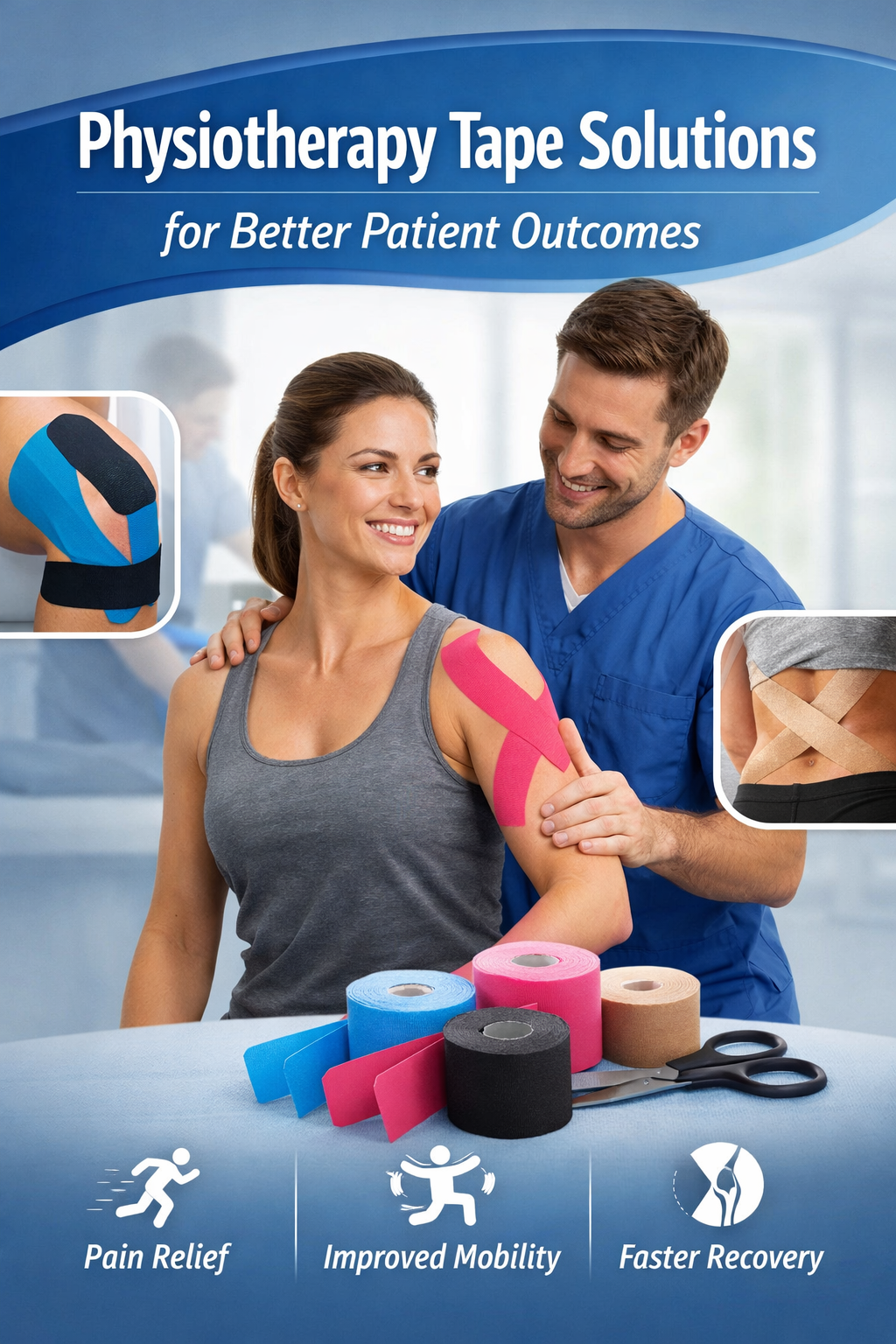
Physiotherapy taping refers to the clinical use of therapeutic tapes to support musculoskeletal rehabilitation, improve movement patterns, and assist injury recovery. It is widely used in physiotherapy clinics to complement manual therapy and exercise-based rehabilitation programs.
There are three primary types of taping used in modern rehabilitation settings: kinesiology tape, rigid sports tape, and elastic adhesive bandages. Each type serves a distinct clinical function depending on the patient’s condition and treatment goal.
Kinesiology tape is an elastic, skin-friendly therapeutic tape designed to provide support without restricting range of motion. It is commonly used to assist muscle activation, reduce pain, and improve lymphatic and blood circulation during recovery.
Rigid sports tape provides non-elastic structural support, helping to stabilize joints such as the ankle, knee, or shoulder. It is typically used in acute injury management or to prevent excessive joint movement during rehabilitation.
Elastic adhesive bandages provide moderate compression and are frequently used to control swelling, support soft tissue recovery, and improve circulation without limiting functional movement.
How Physiotherapists Use Taping in Rehabilitation
In modern physiotherapy practice, taping is rarely used alone. Instead, it is integrated into a multi-modal rehabilitation approach that includes manual therapy, corrective exercises, and patient education.
Clinicians use taping techniques for several key purposes:
- Supporting injured or fatigued muscles during movement
- Improving joint stability and proprioceptive feedback
- Reducing swelling and managing post-injury inflammation
- Enhancing movement correction and posture alignment
- Assisting post-operative rehabilitation protocols
For example, kinesiology tape may be applied to facilitate shoulder mobility in patients recovering from rotator cuff strain, while rigid sports tape may be used to restrict ankle inversion in acute sprain cases. Elastic bandages are often used in early-stage recovery to manage edema and improve circulation.
This layered approach allows physiotherapists to tailor treatment based on injury severity, recovery stage, and patient activity level.
Clinical Benefits of Physiotherapy Taping
When used correctly, rehabilitation taping can significantly enhance clinical outcomes. Key benefits include:
- Pain reduction through neuromuscular feedback
- Improved joint stability without full immobilization
- Enhanced circulation and lymphatic drainage
- Faster functional recovery in soft tissue injuries
- Better patient compliance due to non-invasive support
These benefits make taping an essential tool not only in sports physiotherapy but also in general musculoskeletal rehabilitation, post-surgical recovery, and chronic pain management.
Choosing the Right Tape for Clinical Use
Selecting the appropriate tape is critical for treatment effectiveness. Physiotherapy clinics typically choose products based on:
- Elasticity requirements (rigid vs flexible support)
- Skin compatibility (latex-free, hypoallergenic materials)
- Breathability and wear duration
- Adhesive strength for multi-day use
- Patient comfort and mobility needs
High-quality tapes should be designed for clinical environments where patients may wear them for several days during active rehabilitation phases.
OEM and Supply Solutions for Physiotherapy Clinics
For clinics, distributors, and rehabilitation brands, access to consistent, high-quality taping products is essential. As a professional manufacturer, Onlywell Sports Medicine provides comprehensive physiotherapy tape solutions including kinesiology tape, rigid sports tape, and elastic adhesive bandages.
We support OEM and private label services, allowing clinics and brands to customize packaging, logo branding, adhesive strength, and material specifications according to market requirements. Bulk supply options ensure consistency for multi-clinic networks and rehabilitation centers.
All products are designed to meet international quality standards, including skin-friendly adhesives, breathable materials, and latex-free formulations suitable for sensitive patients.
Conclusion
Physiotherapy rehab taping plays a critical role in modern rehabilitation protocols by supporting movement, reducing pain, and improving functional recovery. When integrated properly into clinical workflows, kinesiology tape, rigid sports tape, and elastic adhesive bandages create a comprehensive support system for patients across different stages of recovery.
For physiotherapy clinics and rehabilitation providers, selecting a reliable supply partner ensures consistency in treatment quality and patient outcomes. Professional-grade taping solutions help elevate clinical performance while meeting the growing demand for effective, non-invasive rehabilitation tools.